How Can We Say nothing (2024)
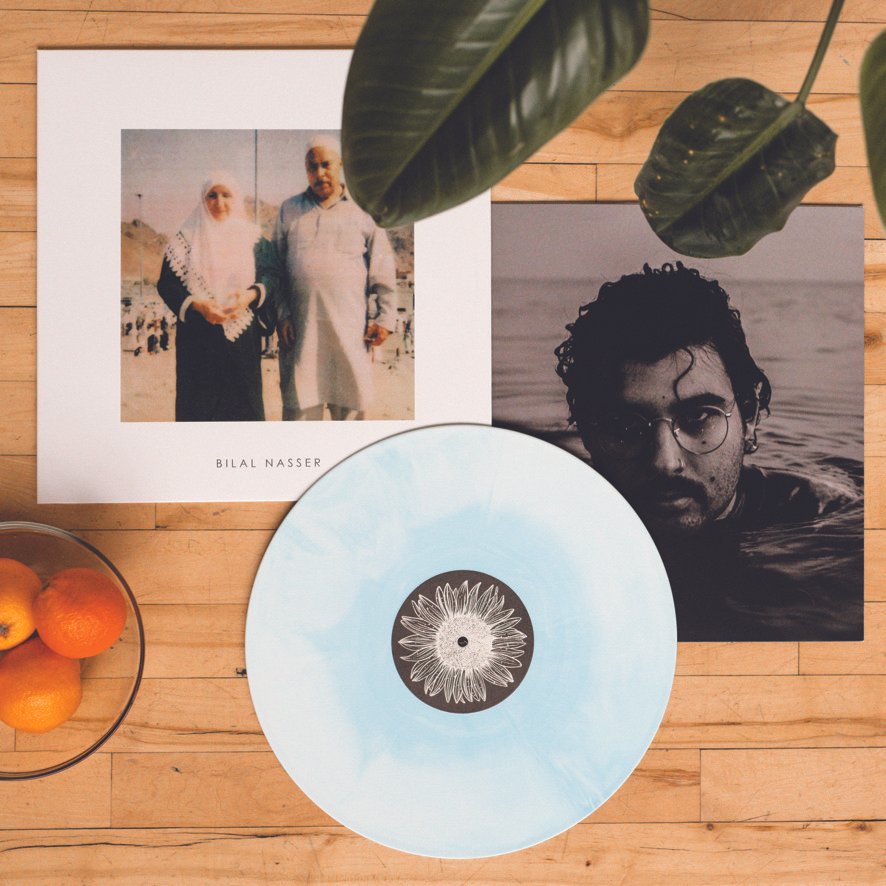
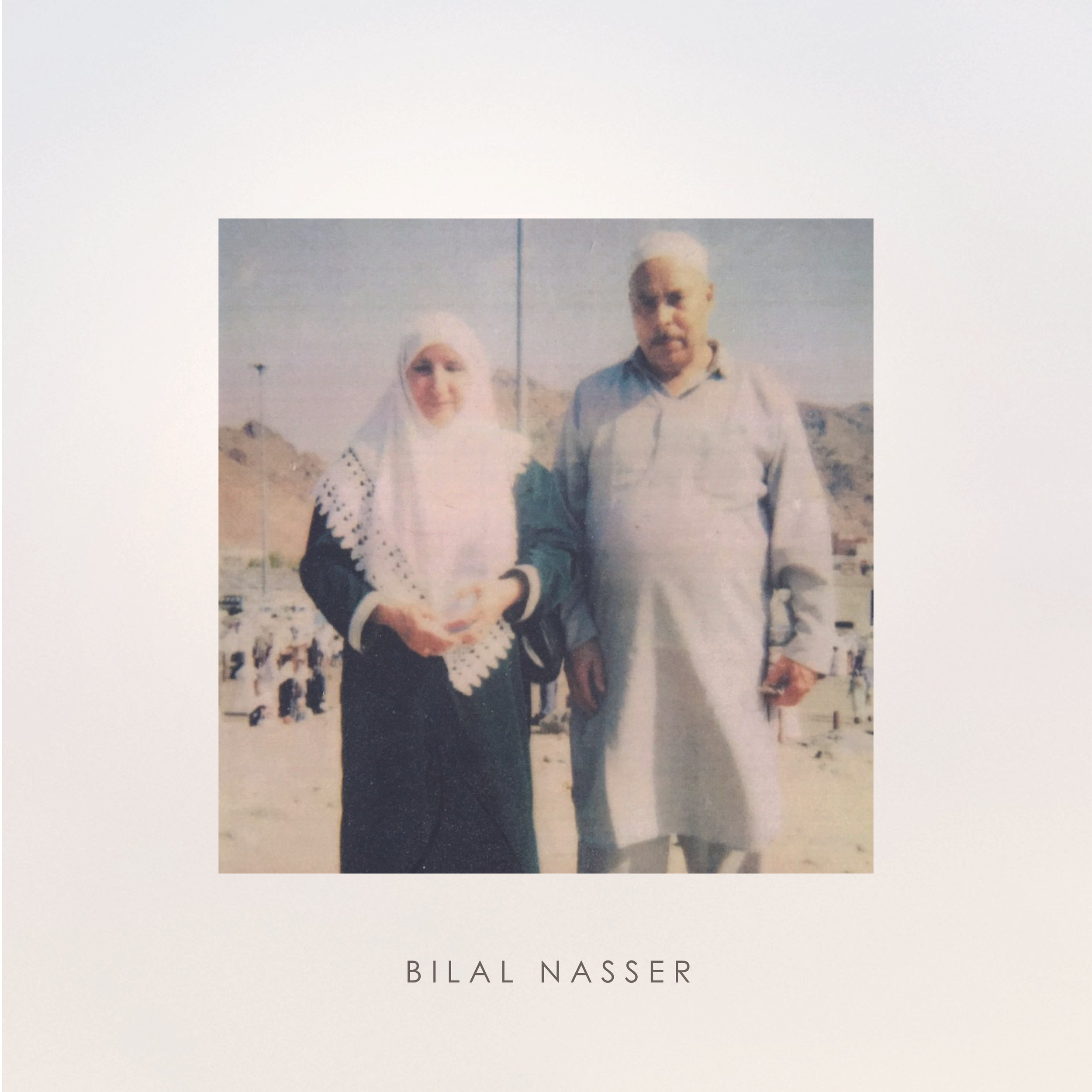
Last summer I selected a photo of my grandparents to be the album cover for this project.
This was not supposed to be a political statement.
Regardless of my intent, it now is one. Their image, as survivors of the 1948 ethnic cleansing, and as lifelong refugees, is a political statement when today, a second Nakba is occuring.
This was supposed to be a personal project, dealing with nostalgia, memory, family, and childhood. It was with these feelings in mind I selected this photo.
But like so many other Palestinians, they didn’t have a choice to not be political. There’s no opting out of politics when politics is interested in you.
The words, "how can we say nothing?”, in conjunction with my grandparents image was not necessarily meant to beg the question, “how can you say nothing about Palestine?"
These words came out of a period of exploring my past. They mean something specific to me that is apparent in the context of the music. But I realize that this combination of image and words assumes a new meaning, and I am ready to embrace that. It is ultimately going to mean different things to different people, and even my own relationship to this project has changed over time quite a bit.
I can't escape a sense of guilt doing something as privileged as releasing music at all while my people undergo a genocide. I also feel like there has to be a meaning to the timing of releasing this album right now. I can only hope that on some level this project can offer solace and continue to foster advocacy for Palestinians.
Free my people. Free Palestine. From the river to the sea.
Credits:
released February 15, 2024
All music composed by Bilal Nasser
Backing Vocals: Nate Blackton
Mixing: Nate Blackton
Mastering: Andrew McLeod (Sunnsetter)
Cello on track 7: Matt Magerkurth
Violins on track 7: Natalie Wong
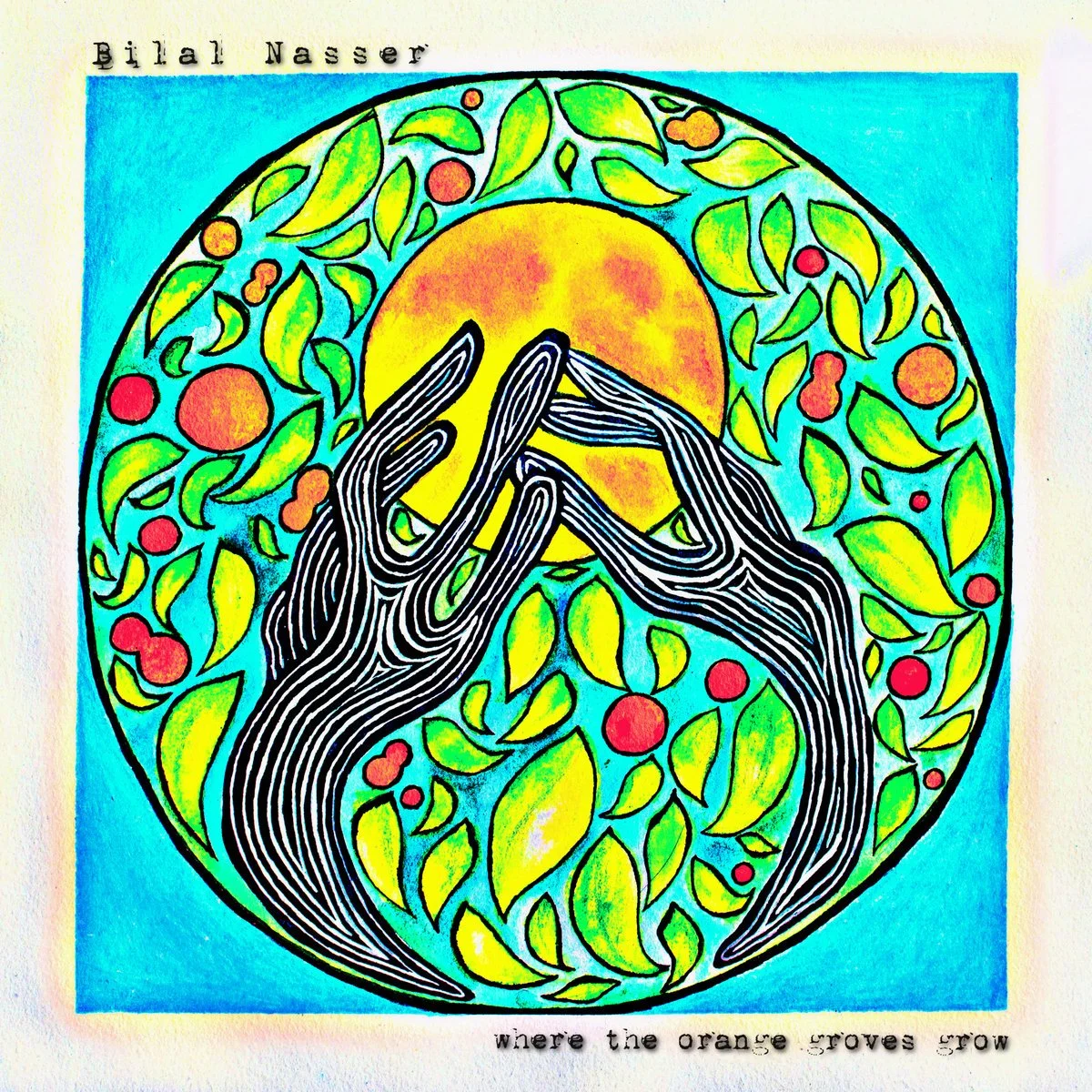
Where the orange groves grow (2021)
Where the Orange Groves Grow.... started with the title track "Exiles and Orange Groves". I had been writing this piece, a reflection on middle eastern exile narratives and oral history, for my (cancelled) graduation recital. During COVID I went from being a music student living in Toronto to back at my parents place in Windsor (not the most extraordinary situation). At this point I began writing a set of pieces around "Exiles...", which became "Tremors", the soundscape of a violent protest, and "In Between", a poem about being caught between obligation and choice. As the summer went on I composed "...From Ancient Wounds" as a sister piece to "Exiles", which is it's inverse in many ways. Where "Exiles" starts with a clear theme that is fragmented and destroyed as the piece develops, "...From Ancient Wounds" starts in fragments and never makes it back to a place of clarity.
This project wasn't originally intended to be a studio recording, but the more it took shape the more it appeared to be headed in that direction. I am fortunate enough to have had the opportunity to spend the pandemic working towards this project. It was something stable to hold on to that I'm grateful to have had. We recorded all of this in October of 2020, and when we were hit with another lockdown I had the unique opportunity to actually have some space between myself and the project. I felt like it still had unfinished business, and some of the pieces (an unnamed more punk-influenced track, and some other short interludes) were replaced with what became "Departures" and "Every Day is Exactly the Same", which were composed and recorded in Early 2021. In a way I am grateful for the delays and uncertainty of recording my first studio album during a pandemic, because it allowed me the extra time I needed to work through my ideas, and reflect on what worked and what could be strengthened. I feel that this space made for a stronger project overall, and I learned so much through this turbulence.
These pieces represent my dialectical breaking point from being a "classical musician", performing mostly 20th century repertoire, to a musician wanting to take what I had learned and create something original and personal, with obvious influences from composers like Takemitsu and Towner, but also through a sensibility of emo and punk. There is nothing wrong with participating in the academic-centred culture of interpreting classical repertoire, but I have realized that it wasn't who I want to be as a musician. I don't want to sound like Bach or Sor, I want to sound like a pile-up car collision of all of my hardcore, post-rock, avante-garde and 20th century influences. I can only hope that this album has the intended effect.